






As cyber threats evolve and privacy concerns intensify, protecting your entire network at the source has become essential. An encrypted router offers comprehensive security by establishing a protective tunnel for all connected devices, eliminating the need to configure individual gadgets separately. This approach ensures that everything from smartphones and laptops to smart TVs and IoT devices benefits from robust encryption without requiring separate VPN applications on each device.
Understanding Encrypted Router Technology
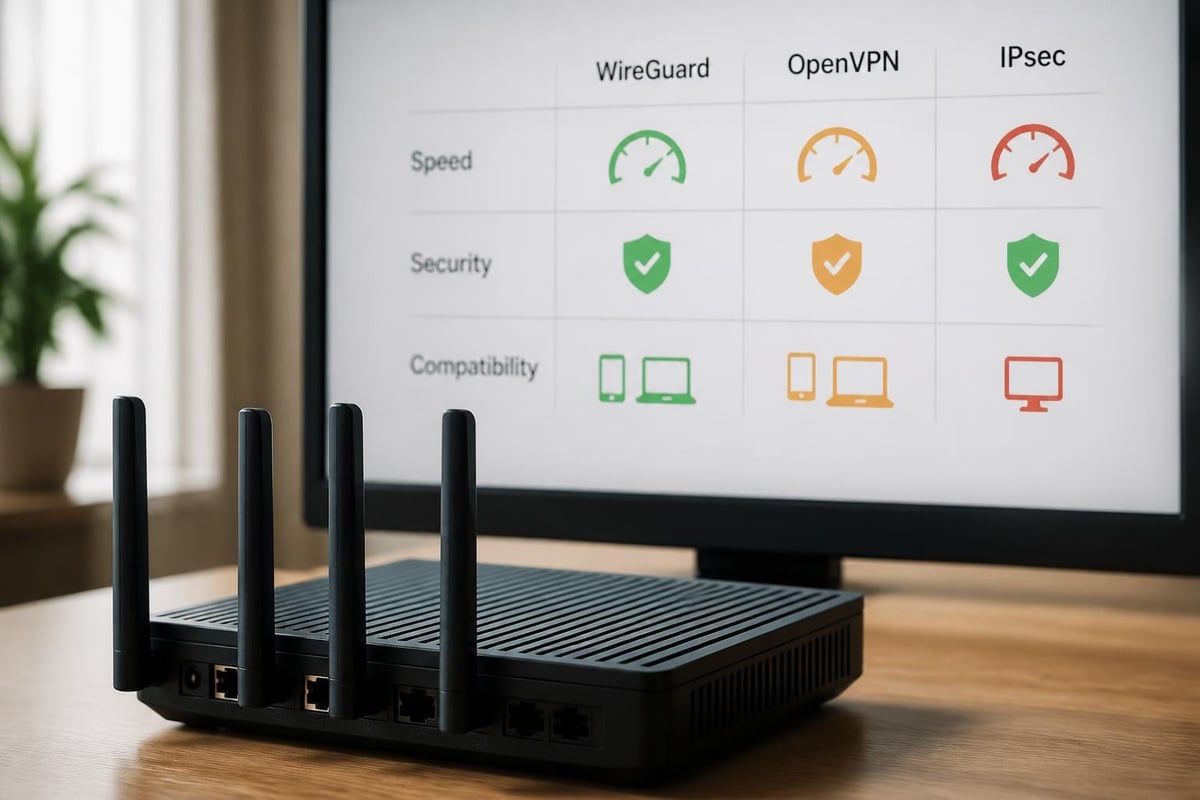
An encrypted router functions as your network's first line of defence, creating a secure connection between your home network and the internet before data ever leaves your premises. Unlike traditional routers that simply transmit data in plain text, an encrypted router processes all outgoing and incoming traffic through VPN protocols such as WireGuard, OpenVPN, or IPsec.
How Encryption Works at Router Level
When you deploy an encrypted router, the device establishes a secure tunnel to VPN servers before any data transmission occurs. This means:
- All network traffic passes through encrypted channels automatically
- Every connected device inherits protection without individual configuration
- ISPs and third parties cannot monitor your browsing activity or data transfers
- Public Wi-Fi vulnerabilities become irrelevant when using portable encrypted routers
The encryption process occurs at the hardware level, offering superior performance compared to software-based solutions running on individual devices. Modern encrypted routers utilise dedicated processors to handle encryption overhead, maintaining network speeds whilst providing enterprise-grade security.
Key Benefits of Network-Wide Encryption
Implementing an encrypted router transforms your entire network infrastructure, delivering protection that extends far beyond what individual device VPNs can achieve. The advantages become particularly apparent in homes with numerous connected devices or businesses managing multiple endpoints.
Complete Device Coverage
Traditional VPN solutions require installation and configuration on each device separately. Gaming consoles, smart home devices, and IoT gadgets often lack native VPN support, leaving them exposed to potential threats. An encrypted router solves this limitation elegantly.
Smart home devices represent a significant privacy risk, as many IoT gadgets transmit unencrypted data that third parties can intercept. By routing all traffic through an encrypted router, you protect these vulnerable devices without requiring firmware modifications or complex workarounds.
Performance and Efficiency Advantages
| Feature | Device-Level VPN | Encrypted Router |
|---|---|---|
| Setup complexity | High (per device) | Low (one-time) |
| IoT device support | Limited/None | Complete |
| Connection overhead | Multiple tunnels | Single tunnel |
| Speed consistency | Varies by device | Optimised hardware |
| Management burden | Ongoing maintenance | Centralised control |
Encrypted routers leverage purpose-built hardware to manage encryption tasks efficiently. This dedicated processing power prevents the performance degradation often experienced when running VPN software on computers or mobile devices with limited resources.
Choosing the Right Encryption Protocols
The protocol your encrypted router employs significantly impacts both security strength and connection performance. Understanding the differences between available options helps you make informed decisions based on your specific requirements.
WireGuard: Modern Speed and Security
WireGuard has emerged as the gold standard for VPN encryption in 2026, offering exceptional performance with a streamlined codebase. This protocol delivers:
- Faster connection speeds through optimised cryptographic primitives
- Lower latency ideal for gaming and video conferencing
- Improved battery efficiency on mobile devices
- Simpler configuration reducing potential security vulnerabilities
The protocol's lean design makes it particularly well-suited for encrypted router implementations, where efficiency translates directly into network performance for all connected devices.
OpenVPN: Proven Reliability
OpenVPN remains widely deployed due to its maturity and extensive platform support. This open-source protocol provides robust security features and excellent compatibility across different network environments. Many encrypted routers, including models that support multiple VPN protocols, offer OpenVPN as a reliable fallback option.
The protocol's flexibility allows administrators to fine-tune configurations for specific security requirements, making it valuable for business environments with complex network policies.
Setting Up Your Encrypted Router
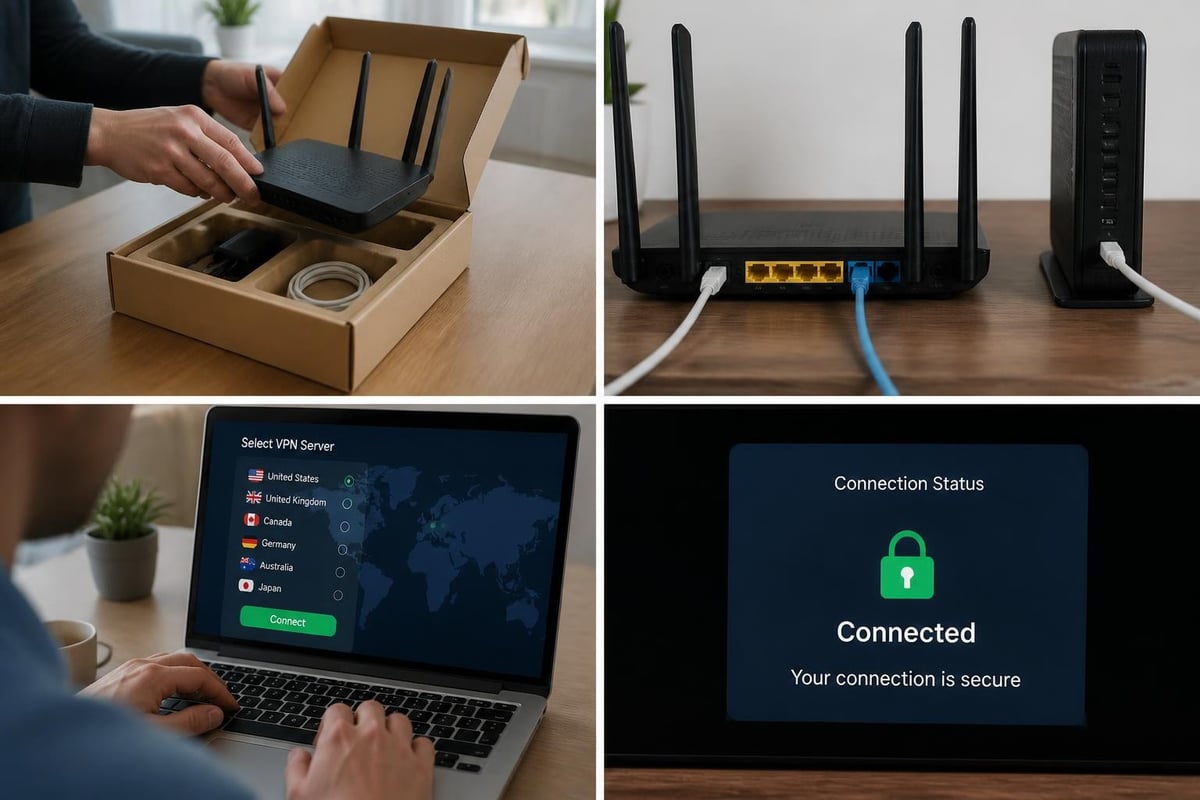
Deploying an encrypted router has become remarkably straightforward, particularly with pre-configured solutions that eliminate technical complexity. The setup process typically requires minimal networking knowledge whilst delivering professional-grade security.
Initial Configuration Steps
- Connect the encrypted router to your existing modem using the WAN port
- Power on the device and wait for indicator lights to confirm readiness
- Join the router's wireless network using provided credentials
- Access the configuration interface through a web browser or mobile app
- Select your preferred VPN server location from available options
- Verify the encrypted connection is active and protecting traffic
For users seeking immediate protection without technical configuration, pre-configured VPN routers arrive ready to use straight from the box. These plug-and-play solutions include pre-loaded VPN credentials and optimised settings, allowing you to establish a secure network within minutes of unboxing.
Advanced Configuration Options
Beyond basic setup, encrypted routers offer sophisticated features for users requiring granular control:
- Split tunnelling to route specific devices or applications outside the VPN
- Kill switch functionality preventing unencrypted data leaks if VPN disconnects
- Multi-hop routing for enhanced anonymity through cascaded VPN servers
- DNS leak protection ensuring queries don't bypass encryption
These advanced features transform an encrypted router into a comprehensive security platform capable of adapting to diverse privacy requirements.
Real-World Applications and Use Cases
Encrypted routers serve distinct purposes across different environments, from residential homes to mobile scenarios requiring portable security solutions. Understanding these applications helps identify whether this technology aligns with your needs.
Home Network Protection
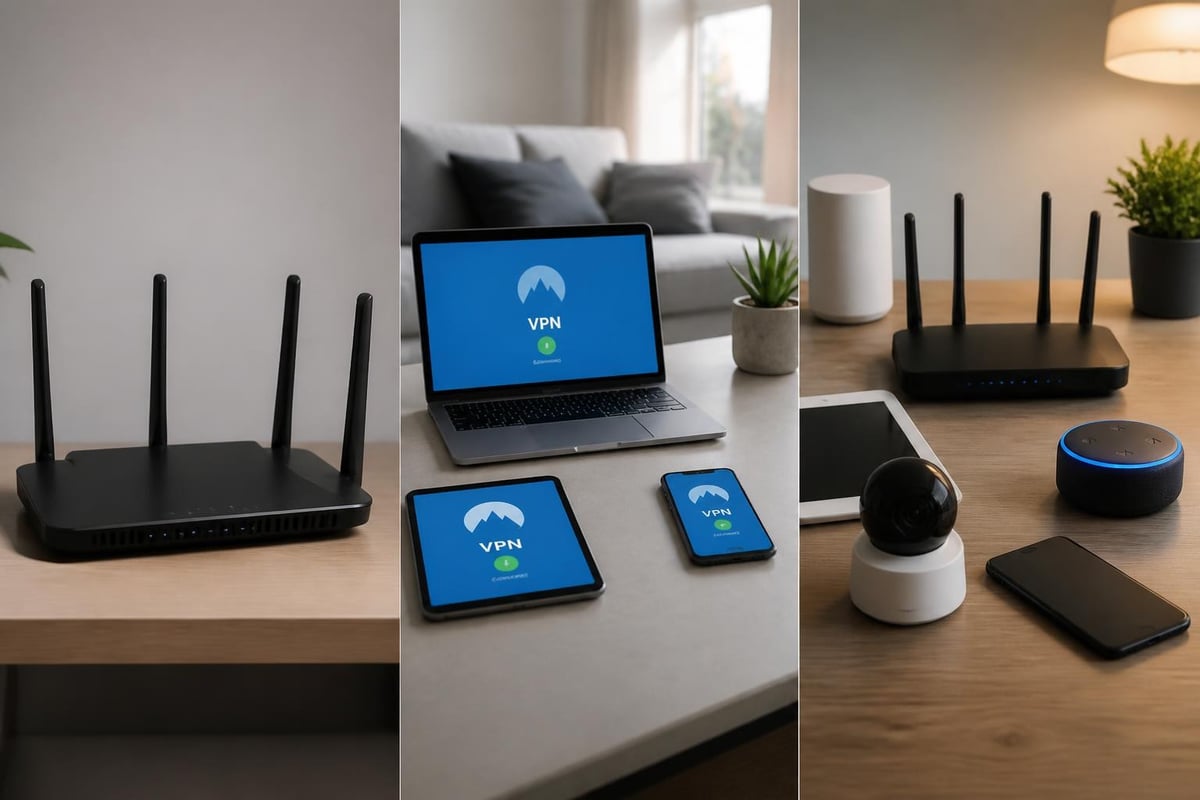
Modern households contain dozens of internet-connected devices, many lacking built-in security features. An encrypted router creates a protective perimeter around your entire home network, safeguarding:
- Smart speakers and voice assistants
- Security cameras and video doorbells
- Smart thermostats and lighting systems
- Streaming devices and smart televisions
- Children's tablets and gaming consoles
By centralising protection at the router level, you eliminate the impossible task of individually securing every gadget whilst ensuring consistent privacy standards across all devices.
Streaming and Content Access
Geographic restrictions limit access to entertainment content, sports broadcasts, and regional services. An encrypted router enables your entire home to appear in different locations, providing:
| Benefit | Description |
|---|---|
| Unrestricted content | Access international streaming libraries simultaneously |
| Consistent quality | Hardware acceleration maintains streaming performance |
| Device flexibility | Stream on any connected device without configuration |
| Family-wide access | All household members benefit from expanded content |
Modern routers with built-in security features, such as WiFi 7 models incorporating WPA3 and VPN support, demonstrate how encryption has become integral to premium networking equipment.
Business and Remote Work Security
Organisations increasingly deploy encrypted routers to protect distributed teams and branch offices. These implementations provide:
- Secure access to corporate resources from home offices
- Protection for sensitive client communications
- Compliance with data protection regulations
- Simplified security management across multiple locations
Small businesses particularly benefit from encrypted routers, gaining enterprise-level security without requiring dedicated IT staff or complex infrastructure.
Performance Considerations and Optimisation
Whilst encrypted routers provide comprehensive security, understanding performance implications ensures you maintain optimal network speeds for all activities. Several factors influence the balance between security and performance.
Hardware Specifications Matter
The encrypted router's processing power directly impacts throughput when handling encryption tasks. Key specifications to evaluate include:
- Processor speed and core count for handling concurrent connections
- RAM capacity supporting multiple simultaneous VPN tunnels
- Network interface speeds (Gigabit Ethernet, Multi-Gig, WiFi 6/7)
- Dedicated encryption acceleration through specialised hardware
Higher-end encrypted routers incorporate purpose-built encryption processors, maintaining near-line-rate performance even with strong encryption protocols active.
Optimising VPN Server Selection
Geographic distance between your encrypted router and the VPN server affects latency and connection speeds. Strategic server selection involves:
- Choosing nearby servers for general browsing and streaming
- Selecting specific locations when accessing geo-restricted content
- Testing multiple servers to identify optimal performance
- Monitoring server load and switching during peak congestion periods
Many encrypted routers include automatic server selection features that balance speed, security, and specific access requirements without manual intervention.
Privacy and Security Advantages
Beyond basic encryption, modern encrypted routers incorporate multiple security layers that work synergistically to protect your digital privacy. These features address various threat vectors simultaneously.
DNS Privacy Protection
Standard DNS queries reveal browsing destinations to internet service providers and potential eavesdroppers. Encrypted routers prevent this information leakage through:
- Encrypted DNS queries (DNS over HTTPS or DNS over TLS)
- Private DNS servers not logging query information
- Prevention of DNS hijacking attempts
- Protection against DNS-based tracking
This comprehensive approach ensures that even metadata about your internet activity remains private, closing loopholes that basic encryption might leave exposed.
Protection Against Traffic Analysis
Advanced surveillance techniques attempt to identify user activity by analysing traffic patterns rather than decrypting actual content. Encrypted routers mitigate these sophisticated threats by obscuring traffic characteristics through constant-rate shaping and padding techniques.
Research into encrypted traffic classification demonstrates the ongoing arms race between privacy technologies and analysis methods, highlighting why comprehensive router-level encryption remains essential.
Maintenance and Long-Term Management
Implementing an encrypted router represents an ongoing commitment to network security rather than a one-time installation. Proper maintenance ensures continued protection and optimal performance.
Firmware Updates and Security Patches
Regular updates address newly discovered vulnerabilities and improve functionality. Best practices include:
- Enabling automatic updates when available for critical security patches
- Reviewing update notifications before applying major firmware changes
- Maintaining backup configurations before significant updates
- Testing functionality after updates to confirm proper operation
Reputable encrypted router manufacturers release regular updates addressing security concerns and incorporating protocol improvements as standards evolve.
Monitoring and Performance Tracking
Ongoing monitoring helps identify potential issues before they impact security or performance:
- Review connection logs for unusual activity patterns
- Monitor bandwidth usage across connected devices
- Track VPN server performance and availability
- Verify encryption status through regular testing
Most modern encrypted routers include dashboard interfaces providing real-time visibility into network status, encryption verification, and connected device management.
Comparing Encrypted Router Solutions
The market offers various encrypted router options, from consumer-focused plug-and-play devices to enterprise-grade solutions requiring technical expertise. Evaluating your specific requirements helps identify the most appropriate solution.
Pre-Configured vs DIY Solutions
| Aspect | Pre-Configured | DIY Configuration |
|---|---|---|
| Setup time | Minutes | Hours/Days |
| Technical knowledge | None required | Advanced networking |
| Support availability | Manufacturer support | Community forums |
| Update management | Automatic | Manual |
| Customisation options | Moderate | Extensive |
| Initial cost | Higher | Lower |
| Time investment | Minimal | Significant |
Pre-configured solutions prioritise convenience and reliability, whilst DIY approaches offer maximum flexibility for users with technical expertise and specific requirements.
Protocol and Feature Comparison
Different encrypted routers emphasise various features based on target audiences. Gaming-focused models prioritise low latency, whilst streaming-optimised devices emphasise server network breadth. Business-oriented solutions incorporate advanced management capabilities and compliance features.
Evaluating which features align with your primary use cases ensures you select an encrypted router that delivers value rather than paying for unnecessary capabilities.
Future-Proofing Your Network Security
As encryption standards evolve and new threats emerge, selecting an encrypted router with upgrade potential protects your investment whilst maintaining security effectiveness over time.
Emerging Technologies and Standards
Several developments will shape encrypted router capabilities in coming years:
- Post-quantum cryptography resistant to future quantum computing attacks
- WiFi 7 integration providing faster speeds alongside stronger encryption
- AI-powered threat detection identifying anomalous network behaviour
- Zero-trust network architectures assuming breach and verifying continuously
Forward-thinking encrypted router designs incorporate upgrade paths for new protocols and standards, extending device lifespan beyond typical networking equipment.
Scalability Considerations
Your network requirements will likely evolve as you add devices, expand coverage areas, or increase security demands. Encrypted routers supporting mesh networking, additional access points, and modular expansion accommodate growth without requiring complete replacement.
Recent advances in encrypted routing frameworks demonstrate ongoing innovation in this space, suggesting continued improvements in both security and performance as the technology matures.
Securing your entire network through router-level encryption eliminates vulnerabilities whilst simplifying device management across your digital ecosystem. Whether protecting smart home devices, enabling unrestricted streaming, or safeguarding remote work activities, an encrypted router delivers comprehensive privacy without compromising performance or usability. U Shield VPN provides pre-configured encrypted routers that combine enterprise-grade security with plug-and-play simplicity, protecting every device on your network from the moment you connect. Explore our range of VPN routers designed for homes, travellers, and businesses seeking reliable, fast, and secure internet access.
