




Your IP address serves as your digital fingerprint, revealing your location, internet service provider, and potentially exposing your online activities to anyone watching. Whether you're concerned about targeted advertising, geographical restrictions, or simply maintaining your privacy, understanding how to hide your IP address has become essential knowledge for modern internet users. From protecting your entire household network to securing individual devices, multiple methods exist to mask your digital identity.
Understanding IP Addresses and Privacy Risks
An IP address functions as a unique identifier assigned to every device connecting to the internet. Think of it as your home's postal address, except it reveals far more than just location. Your IP address can disclose your city, internet service provider, and even approximate neighbourhood coordinates.
This information creates vulnerabilities. Microsoft’s guide on IP addresses highlights how advertisers, hackers, and government agencies can track your online behaviour through this identifier. Data brokers compile profiles based on your browsing patterns, whilst cybercriminals can exploit exposed IP addresses to launch targeted attacks.
Why Your IP Address Matters
Beyond privacy concerns, your IP address directly impacts your online experience. Streaming services use it to enforce geographical restrictions, preventing access to content available in other regions. E-commerce websites adjust pricing based on your location, sometimes charging different amounts for identical products.
Common risks associated with exposed IP addresses include:
- Location tracking by advertisers and third parties
- DDoS attacks targeting your network
- Bandwidth throttling by internet service providers
- Restricted access to region-locked content
- Price discrimination on online purchases
- Government surveillance and censorship

Primary Methods to Hide Your IP Address
Several established techniques exist to conceal your digital identity, each offering distinct advantages and limitations. Understanding these options helps you select the right approach for your specific requirements.
Virtual Private Networks (VPNs)
VPNs represent the most comprehensive solution for IP concealment. How-To Geek’s analysis of IP hiding methods identifies VPNs as the gold standard due to their combination of privacy, security, and accessibility. These services create encrypted tunnels between your device and remote servers, replacing your actual IP address with one from the VPN provider's network.
VPN benefits extend beyond simple IP masking:
- Military-grade encryption protecting all internet traffic
- Access to servers in dozens or hundreds of countries
- Protection on public Wi-Fi networks
- Bypass geographical content restrictions
- Prevent ISP throttling and tracking
The technology underlying VPNs has evolved significantly. Modern protocols like WireGuard deliver exceptional speeds whilst maintaining robust security, addressing earlier concerns about performance degradation. OpenVPN remains widely trusted for its open-source transparency and proven track record.
Proxy Servers
Proxy servers function as intermediaries, routing your connection through third-party servers before reaching destination websites. This masks your IP address, though typically without encryption. Proxies suit specific use cases like accessing geo-restricted content, but they lack comprehensive privacy protection.
| Feature | VPN | Proxy Server |
|---|---|---|
| IP Address Concealment | Yes | Yes |
| Traffic Encryption | Yes | Usually No |
| Network-Wide Protection | Yes (router-level) | No (per-application) |
| Speed Impact | Minimal (modern protocols) | Minimal |
| Security Level | High | Low to Medium |
Tor Network
The Onion Router (Tor) provides maximum anonymity through multiple encryption layers and routing through volunteer-operated servers. Your connection bounces through several nodes, making tracing virtually impossible. However, Tor's security comes at the cost of significantly reduced speeds, making it impractical for streaming or large downloads.
Router-Level IP Protection
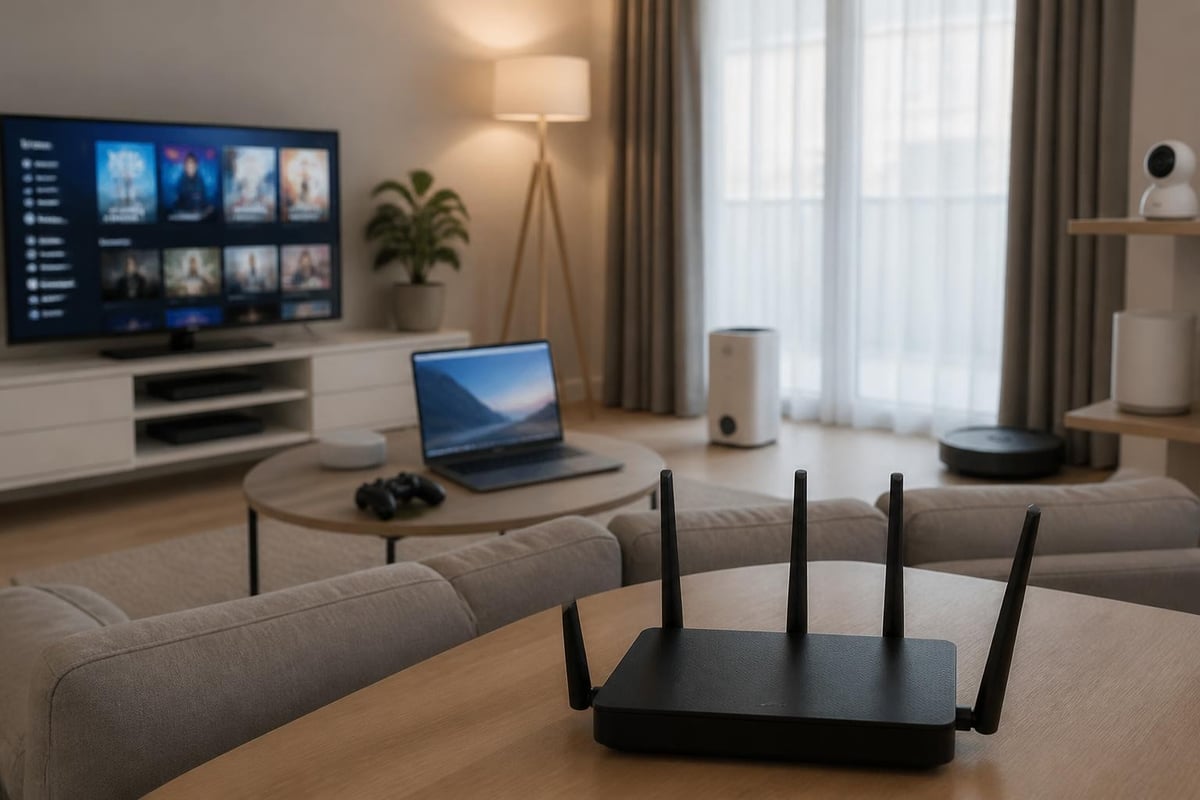
Protecting individual devices requires configuring VPN applications on each phone, tablet, and computer. This approach becomes cumbersome with smart TVs, gaming consoles, IoT devices, and guest connections. Router-level solutions address this limitation comprehensively.
Installing VPN capability directly on your router ensures every device connecting to your network automatically benefits from IP concealment. Your smart refrigerator, streaming stick, and children's tablets all receive identical protection without individual configuration.
Pre-configured VPN routers eliminate the technical complexity traditionally associated with router setup. These plug-and-play devices arrive ready to connect, with WireGuard and OpenVPN already optimised for performance and security. This approach particularly benefits households with numerous connected devices or users who lack technical expertise.
Advantages of Router-Based IP Concealment
Network-wide protection offers distinct benefits compared to device-specific solutions. A single router configuration protects unlimited devices simultaneously, including those that cannot run VPN applications natively.
Key advantages include:
- Automatic protection for all household devices
- Simplified management through centralised control
- Coverage for IoT devices and smart home equipment
- Guest network protection without sharing credentials
- Consistent IP masking across your entire network
Travellers particularly value portable router solutions. Connecting a VPN router in hotel rooms or rental properties secures all your devices through a single setup, maintaining privacy on unfamiliar networks.
Advanced IP Concealment Techniques
Beyond mainstream methods, specialised approaches serve specific requirements. Understanding these alternatives helps you build layered privacy strategies.
Mobile Networks and Data Connections
Mobile data connections provide temporary IP address changes as you move between cell towers or disable and re-enable mobile data. This offers minimal protection suitable only for brief privacy needs, lacking encryption or consistent anonymity.
Public Wi-Fi Networks
Connecting to public Wi-Fi networks masks your home IP address, substituting it with the café or library's public IP. This method introduces significant security risks, as public networks frequently lack proper security measures, exposing your data to interception.
Multiple VPN Chains
Security-conscious users sometimes chain multiple VPN connections, routing traffic through several providers sequentially. TechRadar’s VPN guide notes this extreme measure adds latency whilst providing additional anonymity layers, though single reputable VPN services typically suffice for most users.
Selecting the Right IP Concealment Method
Your optimal approach depends on specific requirements, technical capabilities, and intended use cases. Different scenarios demand different solutions.
Streaming and Entertainment
Content streaming requires consistent high speeds with minimal buffering. Modern VPN protocols deliver excellent performance, whilst proxies may introduce reliability issues. Router-level VPN configurations excel here, automatically protecting smart TVs and streaming devices without individual setup.
Streaming considerations:
- Server locations matching desired content regions
- Consistent bandwidth for 4K video
- Support for smart TV and gaming console operating systems
- Reliable connections without frequent disconnections
- Multiple simultaneous device support
Remote Work and Business Applications
Professional requirements emphasise security alongside performance. Security.org’s comprehensive guide stresses the importance of encryption when handling sensitive business data, particularly on public networks or whilst travelling.
Business users benefit from reliable VPN connections supporting video conferencing, cloud applications, and file transfers. Router-level protection ensures visiting colleagues and clients access secure networks without complicated configuration.
Gaming Applications
Online gaming demands low latency and stable connections. Whilst VPNs historically added noticeable lag, WireGuard's efficiency has largely eliminated this concern. Gamers additionally benefit from protection against DDoS attacks targeting IP addresses exposed through gaming platforms.
| Use Case | Recommended Method | Priority Features |
|---|---|---|
| Streaming | VPN Router | Speed, reliability, device support |
| Remote Work | VPN (device or router) | Encryption, stability, business app compatibility |
| Gaming | VPN Router (WireGuard) | Low latency, DDoS protection, consistent performance |
| General Privacy | VPN Router | Ease of use, network-wide coverage, set-and-forget operation |
| Maximum Anonymity | Tor Network | Untraceability, multiple encryption layers |
Implementation Best Practises
Successfully concealing your IP address requires more than selecting appropriate technology. Proper implementation ensures consistent protection without frustrating interruptions.
Configuration Fundamentals
Tech Advisor’s implementation guide recommends testing your IP concealment after initial setup. Numerous online tools verify whether your actual IP address remains hidden, confirming proper configuration.
Start with these essential steps:
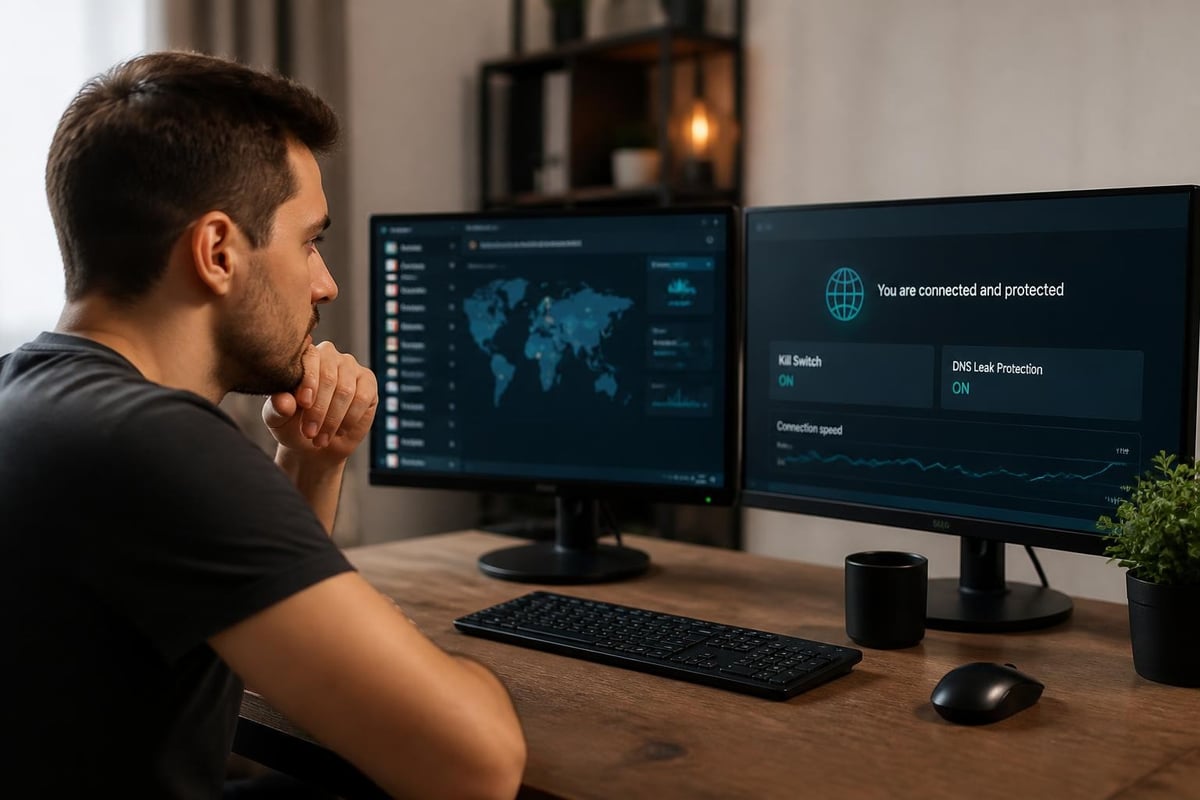
- Verify DNS leak protection is enabled
- Test for WebRTC leaks in your browser
- Confirm kill switch functionality
- Check connection speeds against baseline
- Verify IP address appears in desired location
DNS Leak Prevention
Your DNS queries can reveal browsing activity even with IP concealment. Ensure your VPN provider handles DNS requests internally rather than forwarding them to your ISP. Most quality services include automatic DNS leak protection, though verification remains prudent.
Kill Switch Functionality
Network interruptions occasionally occur. Kill switches prevent data transmission if your VPN connection drops, ensuring your real IP address never accidentally exposes. This feature proves particularly critical for activities requiring consistent anonymity.
Common Misconceptions About IP Concealment
Several myths persist regarding IP address hiding, leading to inappropriate expectations or implementation mistakes.
Myth: Free Services Provide Adequate Protection
Free VPN services frequently monetise through data collection and selling user information, defeating the privacy purpose entirely. Others impose severe bandwidth limits, restrict server access, or deliver unreliable connections. Tom’s Guide’s analysis of VPN features emphasises the importance of reputable providers with transparent privacy policies.
Myth: IP Concealment Guarantees Complete Anonymity
Hiding your IP address represents one component of online privacy, not a complete solution. Browser fingerprinting, cookies, and login credentials can still identify you. Comprehensive privacy requires combining IP concealment with tracker blocking, secure browsing habits, and careful information sharing.
Myth: All VPN Providers Offer Equal Protection
VPN services vary dramatically in security standards, privacy policies, and performance capabilities. Providers based in certain jurisdictions face mandatory data retention laws, whilst others maintain verified no-logs policies. Research provider reputation, jurisdiction, encryption standards, and independent audits before committing.
Regulatory and Legal Considerations
The legality of concealing your IP address varies by jurisdiction, though it remains lawful in most countries when used for legitimate privacy purposes.
Geographic Variations
Whilst VPN usage is legal throughout the United Kingdom, European Union, United States, and most Western nations, some countries restrict or ban these technologies. China, Russia, and several Middle Eastern nations impose varying degrees of VPN restrictions. Travellers should research local regulations before attempting to hide your IP address in foreign jurisdictions.
Terms of Service Compliance
Even where legal, hiding your IP address may violate specific service terms. Streaming platforms typically prohibit VPN usage to bypass geographical restrictions, though enforcement varies. Financial institutions sometimes flag VPN connections as suspicious, occasionally triggering account security measures.
Legal use cases include:
- Personal privacy protection
- Securing public Wi-Fi connections
- Protecting business communications
- Accessing your home country's content whilst abroad
- Preventing targeted advertising and tracking
Technical Performance Considerations
Understanding performance implications helps set realistic expectations and optimise your IP concealment setup.
Speed Impact Analysis
Modern VPN protocols minimise speed reduction, with WireGuard often delivering 80-95% of baseline connection speeds. Factors affecting performance include server distance, network congestion, encryption overhead, and device processing capability. Router-based solutions leverage dedicated hardware, often providing superior performance compared to software implementations on older devices.
Server Selection Strategies
Choosing appropriate VPN servers significantly impacts both performance and functionality. Closer servers generally deliver faster speeds, whilst distant locations enable access to region-specific content. Load balancing across multiple servers maintains consistent performance during peak usage periods.
Bandwidth Considerations
Unlimited bandwidth has become standard amongst reputable providers, though some impose fair usage policies for extreme consumption. Router-level implementations efficiently handle household bandwidth demands, supporting multiple simultaneous 4K streams, downloads, and video conferences without degradation.
Maintaining Long-Term Privacy
Effective IP concealment requires ongoing attention rather than one-time configuration. Regular maintenance ensures continued protection as technology and threats evolve.
Update Management
VPN providers regularly release updates addressing security vulnerabilities, performance improvements, and protocol enhancements. Router-based solutions with automatic update capabilities simplify this maintenance, ensuring protection remains current without manual intervention.
Monitoring and Verification
Periodically verify your IP address remains concealed through independent testing services. Check for DNS leaks, WebRTC leaks, and connection stability. Monitor connection logs if available to identify potential issues before they compromise privacy.
Privacy Policy Reviews
Provider privacy policies and practises occasionally change. Annual reviews ensure your VPN service maintains standards meeting your requirements. Independent audits and transparency reports provide additional confidence in provider claims.
Protecting your digital identity through effective IP address concealment has evolved from optional precaution to essential practise for privacy-conscious internet users. Whether you prioritise streaming access, business security, or simply maintaining anonymity from pervasive tracking, understanding available methods and their appropriate applications ensures you select solutions matching your specific requirements. U Shield VPN delivers comprehensive network protection through pre-configured routers supporting WireGuard and OpenVPN, eliminating technical complexity whilst securing every device on your network with a single plug-and-play solution. Discover how router-level privacy protection can transform your household's online security by visiting U Shield VPN today.
