





A private internet router represents a fundamental shift in how households and businesses approach online security. Rather than protecting individual devices with separate VPN applications, this hardware solution secures your entire network at the source, encrypting every packet of data that passes through your internet connection. As cyber threats evolve and privacy concerns intensify in 2026, understanding the capabilities and implementation of these specialised routers has become essential for anyone serious about digital security.
Understanding the Private Internet Router Architecture
A private internet router functions as a dedicated gateway that establishes an encrypted tunnel between your home or office network and the internet. Unlike standard routers that simply direct traffic, these devices integrate VPN protocols directly into their firmware, ensuring that every connected device benefits from the same level of encryption and privacy protection.
The fundamental difference lies in where the security layer operates. Traditional VPN applications run on individual devices, consuming resources and requiring separate configurations for each smartphone, laptop, or tablet. A private internet router centralises this function, handling all encryption at the network level through specialised hardware designed for continuous VPN operation.
Core Components and Technologies
Modern private internet routers incorporate several key technologies that distinguish them from consumer-grade hardware:
- Dedicated VPN processors that handle encryption without throttling network speeds
- Multiple protocol support including WireGuard, OpenVPN, and IKEv2
- Dual-WAN capabilities for failover protection and load balancing
- Advanced firewall rules with deep packet inspection
- Quality of Service (QoS) features to prioritise traffic types
Research examining VPN performance on consumer-grade routers demonstrates significant throughput limitations when standard hardware attempts to handle encryption. Purpose-built private internet routers overcome these constraints through optimised chipsets and efficient protocol implementation.
Network Security Benefits and Privacy Advantages
Implementing a private internet router creates a comprehensive security perimeter that protects devices incapable of running VPN software independently. Smart home devices, gaming consoles, streaming boxes, and IoT sensors all gain immediate protection without requiring individual configuration.
Complete Network Coverage
The privacy advantages extend beyond basic encryption. When you route all traffic through a private internet router, you achieve several critical security objectives:
- Unified IP masking across all devices simultaneously
- ISP traffic obfuscation preventing bandwidth throttling
- Geographic restriction bypass for streaming and content access
- Ad-tracker blocking at the network level
- Protection on public Wi-Fi when using travel routers
According to comprehensive research on the VPN ecosystem, server distribution and vulnerability management remain crucial factors in maintaining secure connections. A properly configured private internet router allows you to select optimal server locations whilst maintaining consistent security policies across your entire network.
| Security Feature | Individual VPN Apps | Private Internet Router |
|---|---|---|
| Device Coverage | One per installation | All network devices |
| Configuration Complexity | High (per device) | Low (single setup) |
| IoT Device Protection | Not possible | Complete |
| Network-wide Kill Switch | No | Yes |
| Performance Impact | Variable | Optimised |
Business and Remote Work Applications
For remote workers and small businesses, a private internet router provides enterprise-level security without complex infrastructure requirements. Employees connecting from home offices benefit from the same protection as corporate networks, whilst businesses can establish secure site-to-site connections through VPN tunnelling.
The router-level implementation ensures that video conferences, file transfers, and cloud application access all traverse encrypted channels, protecting intellectual property and client data from interception.
Choosing the Right Private Internet Router
Selecting an appropriate private internet router requires evaluating several technical specifications against your specific use case. Not all devices offer identical capabilities, and understanding these distinctions prevents costly mismatches between hardware and requirements.
Essential Specifications
Processing power determines how effectively a router can maintain VPN connections whilst serving multiple devices. Look for specifications that include:
- Multi-core processors rated at 1.0 GHz or higher
- Minimum 512MB RAM for stable operation under load
- Gigabit WAN and LAN ports to prevent bottlenecking
- Dual-band or tri-band Wi-Fi with modern standards (Wi-Fi 6 preferred)
- USB ports for 4G/5G failover dongles
Reviews of leading VPN routers highlight the importance of matching router capabilities to connection speeds. A router unable to handle your broadband throughput whilst maintaining encryption becomes a performance liability rather than an asset.
Protocol Support and Flexibility
The VPN protocols your private internet router supports directly impact security, speed, and compatibility. WireGuard has emerged as the preferred protocol for 2026 due to its lean codebase, modern cryptography, and exceptional performance characteristics.
OpenVPN remains essential for compatibility with legacy systems and certain network configurations. A versatile private internet router should support multiple protocols, allowing you to optimise based on specific scenarios.
Implementation and Configuration Strategies
Deploying a private internet router involves more than simply connecting cables. Proper configuration ensures optimal performance whilst maintaining the security benefits that justify the investment.
Initial Setup Process
For users seeking convenience, pre-configured VPN routers eliminate the technical complexity of manual setup. These plug-and-play solutions arrive ready to connect, with VPN credentials pre-loaded and protocols optimised for performance.
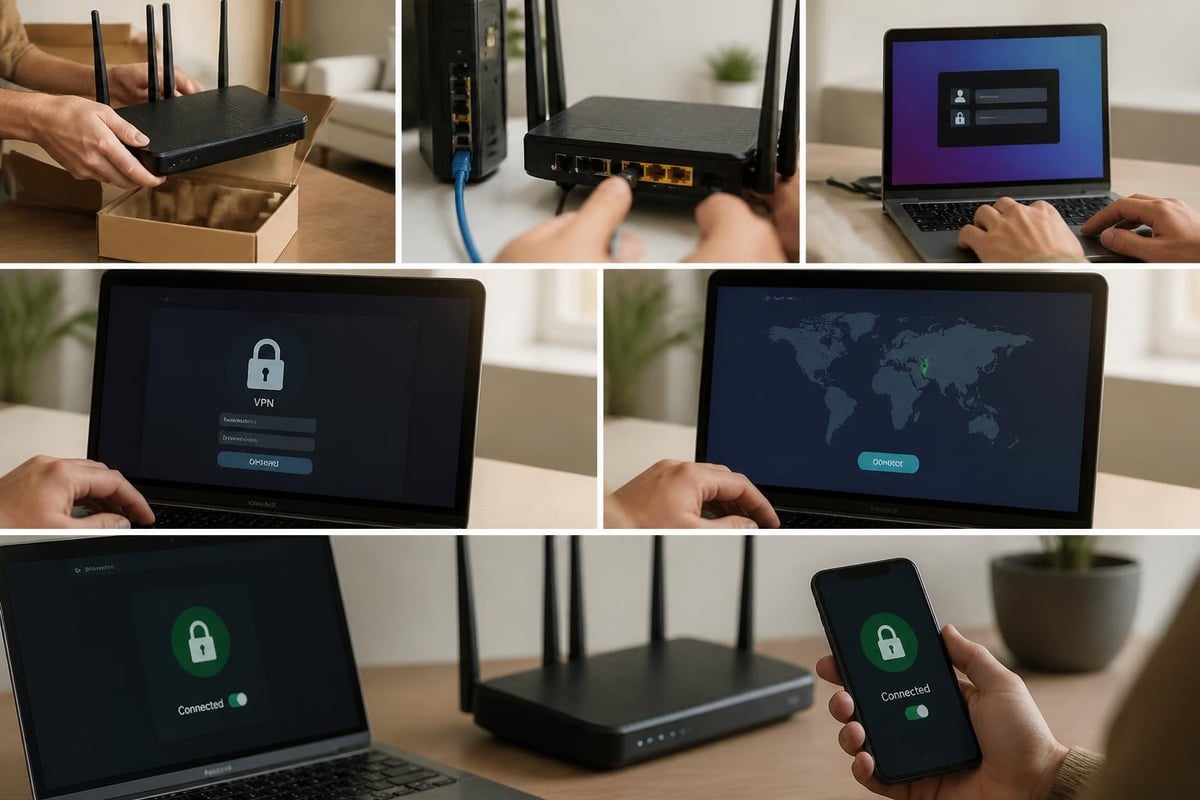
For those configuring manually, the setup process typically follows this sequence:
- Physical connection: Link the router to your modem and power supply
- Network access: Connect a computer to the router via Ethernet or Wi-Fi
- Admin interface: Access the router's configuration panel through a web browser
- VPN credentials: Enter your VPN service account details
- Protocol selection: Choose WireGuard, OpenVPN, or alternative based on needs
- Server location: Select optimal server for speed or geographic requirements
- Testing: Verify connection security through IP leak tests
Detailed video tutorials on VPN router configuration provide visual guidance through each step, helping users avoid common configuration errors that compromise security or performance.
Advanced Configuration Options
Beyond basic setup, optimising a private internet router involves several advanced configurations:
Split tunnelling allows specific devices or applications to bypass the VPN tunnel when encryption isn't necessary. This proves valuable for bandwidth-intensive activities like local network streaming or accessing services that block VPN traffic.
Kill switch functionality ensures that if the VPN connection drops, internet access terminates immediately rather than exposing your real IP address. This critical feature prevents accidental data leaks during connection interruptions.
DNS configuration requires attention to prevent DNS leaks that reveal browsing activity despite VPN encryption. Configure your private internet router to use the VPN provider's DNS servers or privacy-focused alternatives rather than your ISP's default servers.
Performance Optimisation and Troubleshooting
Maintaining optimal performance from a private internet router requires ongoing attention to several factors that impact speed and reliability.
Speed Optimisation Techniques
VPN encryption inherently introduces some overhead, but proper optimisation minimises performance impact:
- Server proximity: Connecting to geographically closer servers reduces latency
- Protocol selection: WireGuard typically delivers superior speeds compared to OpenVPN
- QoS prioritisation: Configure traffic rules to prioritise time-sensitive applications
- Hardware offloading: Enable encryption acceleration features when available
- Channel optimisation: Select less congested Wi-Fi channels for wireless performance
| Optimisation Factor | Impact on Speed | Implementation Difficulty |
|---|---|---|
| Server Location | High | Low |
| Protocol Choice | High | Low |
| QoS Configuration | Medium | Medium |
| Hardware Upgrade | High | High |
| Firmware Updates | Medium | Low |
Common Issues and Solutions
Even properly configured private internet routers occasionally encounter problems. Understanding typical issues accelerates troubleshooting:
Intermittent disconnections often result from server overload or ISP interference. Switching to alternative servers or protocols usually resolves these issues. Some ISPs actively throttle VPN traffic, requiring obfuscation features to maintain stable connections.
Reduced speeds beyond expected VPN overhead suggest router hardware limitations or suboptimal configuration. Testing different protocols and verifying that your router's specifications match your connection speed requirements identifies the bottleneck.
Device compatibility problems occasionally arise with older equipment or devices using outdated network standards. Updating firmware on both the router and connected devices typically resolves these conflicts.
Business and Enterprise Deployment
Private internet routers serve business environments with specific security and connectivity requirements that differ from residential use cases.
Multi-Site VPN Configurations
Businesses operating across multiple locations benefit from site-to-site VPN configurations enabled by private internet routers. This architecture creates encrypted tunnels between office locations, allowing secure resource sharing without exposing traffic to the public internet.
Implementation requires routers at each site configured with compatible VPN settings and static IP addresses or dynamic DNS services. The result resembles a private WAN connecting geographically dispersed offices through secure channels.
Compliance and Regulatory Considerations
Certain industries face regulatory requirements regarding data protection and privacy. Healthcare organisations bound by HIPAA regulations or financial services complying with PCI DSS standards can leverage private internet routers as part of their compliance strategy.
The network-level encryption provided by these devices creates audit trails demonstrating due diligence in protecting sensitive information during transmission. Combined with proper access controls and logging, private internet routers contribute to comprehensive compliance frameworks.
Travel and Mobile Applications
Compact private internet routers designed for portability extend VPN protection beyond fixed locations, addressing the significant security risks associated with public Wi-Fi networks.
Hotel and Public Wi-Fi Security
Public networks at hotels, airports, and cafes present substantial security vulnerabilities. Traffic on these networks traverses shared infrastructure where packet sniffing and man-in-the-middle attacks become trivial for attackers with basic technical knowledge.
A travel-sized private internet router creates a secure bubble around your devices even on compromised networks. By establishing an encrypted tunnel before traffic reaches the untrusted infrastructure, you eliminate the primary attack vectors associated with public Wi-Fi.
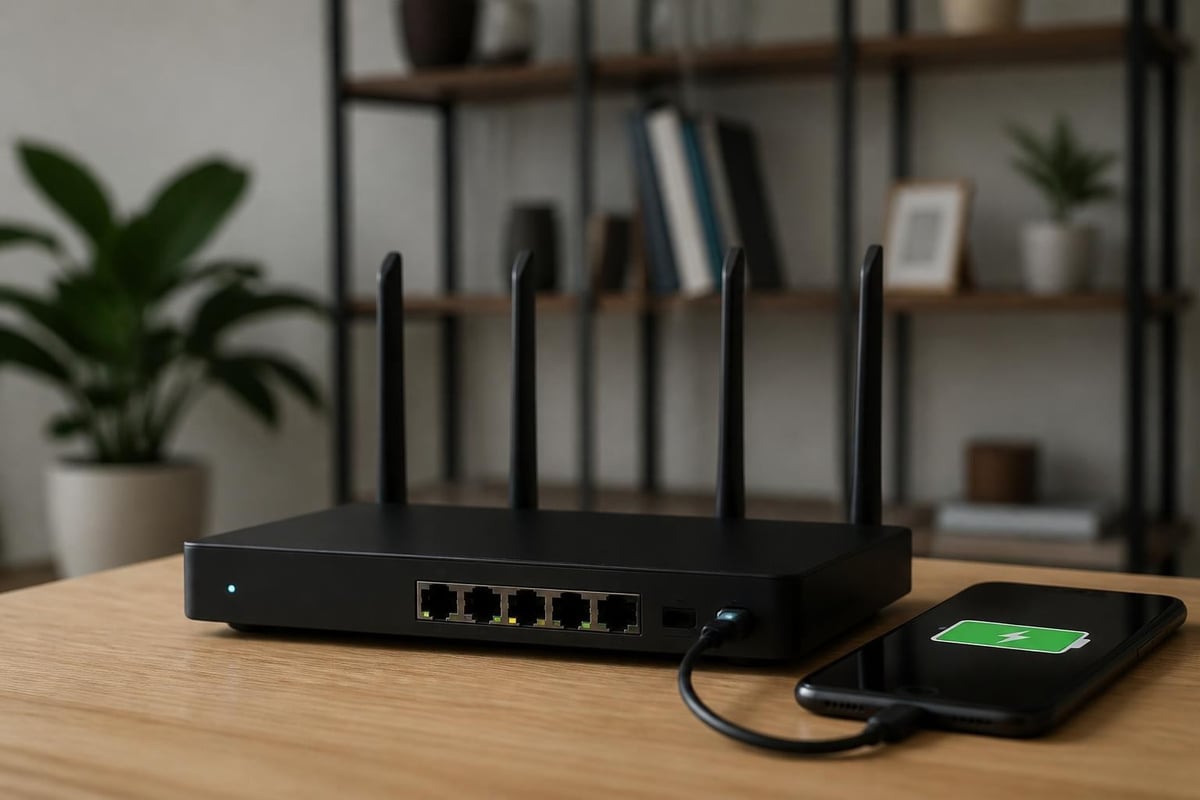
These portable devices typically support multiple power options including USB charging, making them practical for international travel where power standards vary. Some models include built-in batteries for completely wireless operation.
International Connectivity
Travellers frequently encounter geographic restrictions that limit access to content and services available in their home countries. A private internet router with global server coverage allows connection through servers in your home region, maintaining access to banking services, streaming subscriptions, and work resources regardless of physical location.
Business travellers particularly benefit from this capability, as it ensures consistent access to corporate resources and communication tools without triggering security alerts from systems that monitor for unusual login locations.
Future Developments and Emerging Technologies
The private internet router market continues evolving as new technologies and security challenges emerge.
Integration with Mesh Networks
Modern mesh networking systems increasingly incorporate VPN capabilities, combining whole-home coverage with comprehensive security. These hybrid solutions eliminate Wi-Fi dead zones whilst maintaining network-wide encryption, addressing both connectivity and privacy concerns simultaneously.
The distributed nature of mesh systems introduces complexity in VPN implementation, as each node must maintain encrypted tunnels without creating performance bottlenecks. Advances in mesh protocols and processing power are gradually overcoming these technical challenges.
AI-Powered Threat Detection
Emerging private internet router models incorporate artificial intelligence for real-time threat detection and response. These systems analyse traffic patterns to identify anomalous behaviour indicative of malware infections, unauthorised access attempts, or data exfiltration.
Machine learning algorithms trained on vast datasets of network traffic can distinguish legitimate activity from potential threats with increasing accuracy, providing an additional security layer beyond basic encryption.
5G and Next-Generation Connectivity
As 5G networks achieve broader deployment, private internet routers are adapting to leverage these high-speed connections as primary or backup WAN links. The increased bandwidth and reduced latency of 5G enable VPN routing without the performance compromises associated with previous mobile broadband technologies.
This development particularly benefits users in areas lacking reliable wired broadband infrastructure, as 5G-capable private internet routers provide secure, high-speed connectivity without dependence on traditional ISPs.
Implementing a private internet router transforms your network security posture, providing comprehensive protection that individual VPN applications cannot match. The centralised approach simplifies management whilst ensuring every device benefits from encryption and privacy features. Whether you're protecting a home network, securing a small business, or maintaining connectivity whilst travelling, U Shield VPN offers pre-configured solutions that eliminate setup complexity without compromising on security or performance. Our plug-and-play VPN routers deliver enterprise-grade protection with the convenience your busy life demands.
