




Your home network faces more threats today than ever before. With the average household now connecting more than 20 devices to the internet, from smartphones and laptops to smart thermostats and security cameras, the attack surface has expanded dramatically. A private router offers a dedicated solution for safeguarding your entire network at the gateway level, ensuring every connected device benefits from enhanced security protocols without requiring individual configuration.
Understanding the Private Router Concept
A private router functions as a specialized networking device designed with privacy and security as primary objectives rather than afterthoughts. Unlike standard consumer routers that ship with minimal security configurations and often contain vulnerabilities, a private router incorporates robust encryption, advanced firewall capabilities, and privacy-focused features from the outset.
Key Differences from Standard Routers
The distinction between a private router and conventional networking equipment extends beyond marketing terminology. Standard routers prioritize cost efficiency and basic connectivity, whilst private routers emphasize data protection and anonymity.
Core differentiators include:
- Pre-hardened security configurations that eliminate common vulnerabilities
- VPN integration at the firmware level for network-wide encryption
- Regular security updates maintained by dedicated teams
- Privacy-focused DNS that prevents tracking and logging
- Enhanced firewall rules blocking unauthorized access attempts
Traditional routers often ship with default credentials that users rarely change, creating significant security gaps. The National Institute of Standards and Technology recommends comprehensive cybersecurity requirements specifically addressing these vulnerabilities in consumer-grade networking equipment.
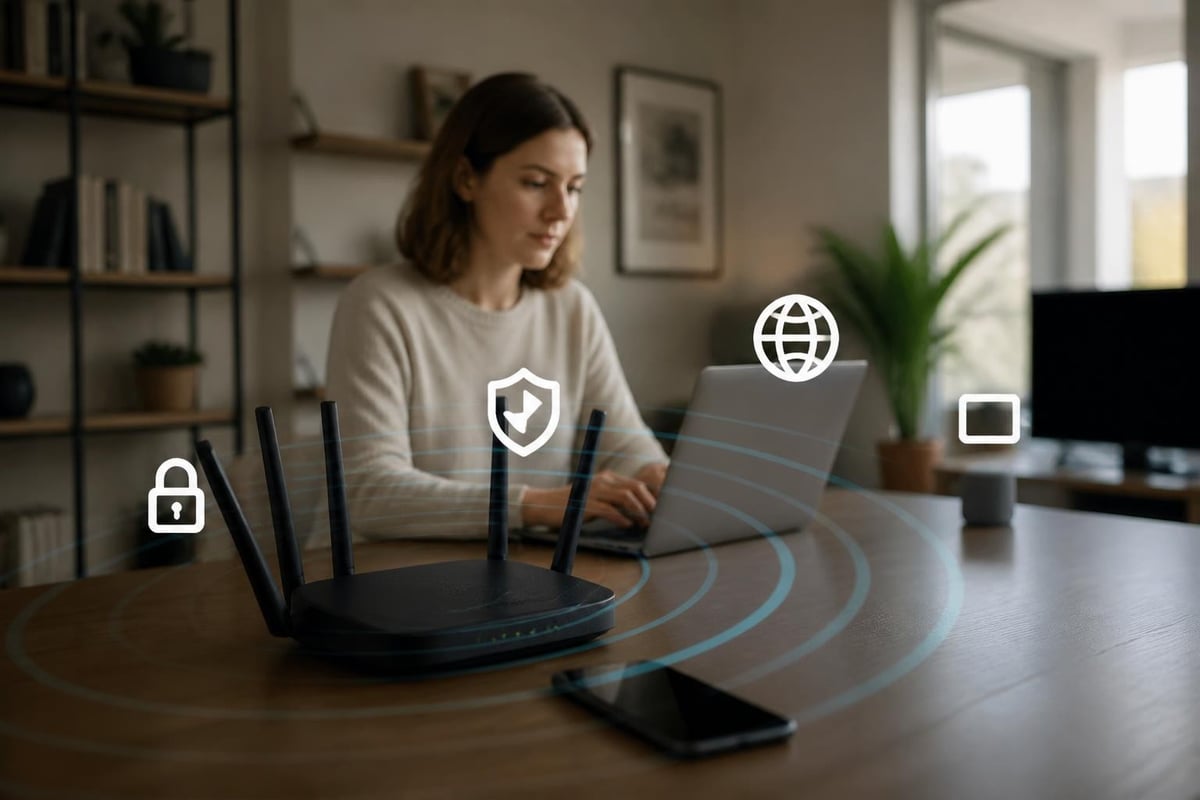
Security Architecture of a Private Router
The security framework within a private router operates on multiple defensive layers, each serving distinct protective functions whilst working cohesively to prevent intrusions and data leakage.
Encryption Standards and Protocols
Modern private routers implement military-grade encryption standards, typically AES-256, to secure data transmission. This encryption occurs at the router level, meaning every device on your network automatically benefits without requiring individual VPN applications.
| Encryption Protocol | Speed | Security Level | Use Case |
|---|---|---|---|
| WireGuard | Excellent | Very High | Daily browsing, streaming |
| OpenVPN | Good | Very High | Business applications |
| IPsec | Moderate | High | Legacy compatibility |
| IKEv2 | Very Good | High | Mobile connections |
The choice of protocol significantly impacts both performance and protection. WireGuard has emerged as the preferred option for many private router implementations due to its streamlined codebase and exceptional speeds whilst maintaining robust security.
Network Segmentation Capabilities
Advanced private routers enable network segmentation, allowing you to create isolated zones for different device categories. Your smart home devices can operate on a separate subnet from your computers and mobile devices, limiting potential damage if an IoT device becomes compromised.
This segmentation proves particularly valuable given that smart home devices present major privacy risks when connected directly to primary networks. Guest network features, whilst available on standard routers, receive enhanced security controls on private routers.
Setting Up Your Private Router Environment
Deploying a private router requires consideration of your specific network topology and security requirements. The configuration process, whilst more involved than simply connecting a standard router, provides granular control over your privacy settings.
Initial Configuration Steps
- Position the router strategically between your ISP modem and internal network
- Change default administrative credentials immediately upon first access
- Update firmware to the latest stable version
- Configure VPN settings including server selection and protocol preferences
- Establish firewall rules appropriate to your security needs
- Enable automatic update mechanisms for ongoing protection
Pre-configured VPN routers streamline this process considerably. For instance, U Shield VPN offers pre-configured VPN routers that arrive ready for immediate deployment, eliminating complex setup procedures whilst maintaining professional-grade security standards.
DNS Configuration and Privacy
Domain Name System (DNS) queries reveal substantial information about your browsing habits. A properly configured private router routes these queries through encrypted DNS services, preventing your ISP and third parties from monitoring your web activity.
Recommended DNS privacy options:
- DNS over HTTPS (DoH)
- DNS over TLS (DoT)
- DNSCrypt protocols
- Private DNS resolver services
These protocols ensure that even metadata about your internet usage remains protected, closing a significant privacy gap that standard routers typically leave exposed.
Performance Considerations and Optimization
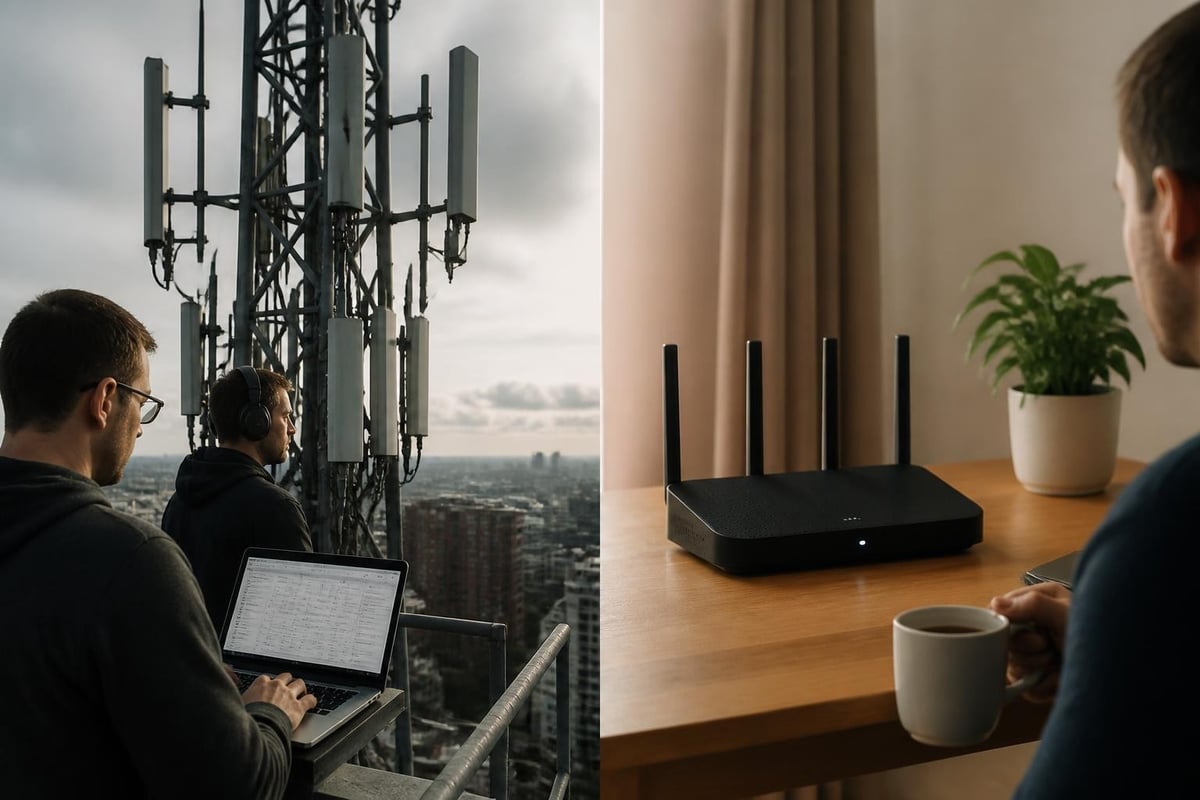
The privacy benefits of a private router must balance against potential performance impacts. Encryption introduces computational overhead, and VPN tunneling can reduce raw throughput. However, modern private routers equipped with dedicated hardware encryption minimize these effects.
Hardware Specifications That Matter
The processor powering your private router determines how efficiently it handles encryption workloads. Look for routers featuring:
| Component | Minimum Spec | Recommended Spec | Impact |
|---|---|---|---|
| CPU | Dual-core 1.0GHz | Quad-core 1.8GHz+ | Encryption speed |
| RAM | 256MB | 512MB+ | Concurrent connections |
| Storage | 128MB | 256MB+ | Firmware and logs |
| WiFi Standard | WiFi 5 (802.11ac) | WiFi 6 (802.11ax) | Wireless throughput |
Insufficient hardware capabilities create bottlenecks that negate the speed advantages of modern internet connections. A capable private router should maintain 80-90% of your baseline internet speed whilst encryption remains active.
Optimizing VPN Server Selection
Geographic proximity to VPN servers significantly influences connection speeds. A private router with automatic server selection chooses optimal endpoints based on current load and latency, but manual selection offers benefits for specific use cases.
Streaming services often perform better when connected through servers in specific regions, whilst online gaming requires the lowest possible latency regardless of server location. Quality private routers allow per-device or per-application server assignments.
Advanced Features for Enhanced Privacy
Beyond basic VPN functionality, sophisticated private routers incorporate features addressing specific privacy scenarios and threat models.
Kill Switch Implementation
Network-level kill switches prevent data leakage if VPN connections drop unexpectedly. Unlike application-based kill switches that protect only specific software, a router-level implementation safeguards all connected devices simultaneously.
This proves essential for activities requiring absolute privacy assurance. The kill switch monitors VPN tunnel status continuously, immediately blocking all internet traffic if encryption fails, then automatically restoring connectivity once the secure tunnel re-establishes.
Multi-Hop Configurations
Advanced users concerned about sophisticated surveillance can implement multi-hop VPN configurations, routing traffic through multiple servers in different jurisdictions before reaching the internet. This technique, whilst reducing speeds, significantly enhances anonymity by making traffic correlation extremely difficult.
Real-World Applications and Use Cases
Private routers serve diverse needs across different user categories, each benefiting from tailored configurations optimizing for specific requirements.
Remote Work Security
Remote employees handling sensitive corporate information require security standards matching office environments. A private router creates an encrypted tunnel from home networks to corporate resources, protecting confidential data from interception.
Benefits for remote workers:
- Encrypted video conferencing preventing eavesdropping
- Secure access to company servers and databases
- Protection on public WiFi when working outside the home
- Compliance with corporate security policies
Content Streaming and Geo-Restrictions
Geographic content restrictions limit access to streaming services and online content based on physical location. A private router configured with servers in appropriate regions enables access whilst maintaining security across all household devices.
Unlike browser extensions or individual device VPNs, the router-level approach ensures smart TVs, streaming boxes, and gaming consoles all benefit from geographic flexibility without complex individual configurations.
Gaming and Low-Latency Requirements
Online gaming demands minimal latency alongside security. Private routers designed for gaming applications implement quality of service (QoS) rules prioritizing gaming traffic whilst maintaining encryption. Some advanced models offer dedicated gaming modes that optimize routing paths for specific game servers.

Maintenance and Ongoing Security
Deploying a private router represents the beginning rather than the conclusion of your privacy journey. Ongoing maintenance ensures continued protection as threat landscapes evolve.
Firmware Update Strategies
Security vulnerabilities emerge continuously as researchers discover new attack vectors. Manufacturers release firmware updates addressing these vulnerabilities, making regular updates critical for maintaining protection.
Update best practices include:
- Enable automatic updates where available and trustworthy
- Monitor manufacturer security bulletins for critical patches
- Test updates on non-critical periods before applying network-wide
- Maintain configuration backups before major updates
- Review changelog notes understanding what each update addresses
Following comprehensive router security guidelines helps maintain robust protection between formal updates.
Log Monitoring and Anomaly Detection
Quality private routers provide detailed logging capabilities revealing connection attempts, traffic patterns, and potential security incidents. Regular log review identifies unusual activity warranting investigation.
Modern implementations incorporate automated anomaly detection, alerting administrators when traffic patterns deviate from established baselines. This proactive approach catches potential compromises early, before significant damage occurs.
Choosing the Right Private Router Solution
The private router market offers various options at different price points and capability levels. Selecting appropriate equipment requires understanding your specific needs and threat model.
Feature Priority Assessment
Not all users require identical security features. A household focused primarily on streaming requires different capabilities than a remote business professional handling confidential client information.
| User Category | Priority Features | Secondary Features |
|---|---|---|
| General Privacy | Strong encryption, easy setup | Server variety, kill switch |
| Streaming Enthusiast | High speeds, geo-unblocking | Multiple device support |
| Remote Professional | Business VPN protocols, stability | Advanced firewall, segmentation |
| Security Researcher | Anonymity features, multi-hop | Custom firmware support |
Understanding these priorities prevents overspending on unnecessary features whilst ensuring critical capabilities remain present.
Pre-Configured vs. DIY Solutions
Technical users comfortable with networking concepts can build private routers using custom firmware on compatible hardware. This approach offers maximum flexibility but requires significant time investment and technical knowledge.
Pre-configured solutions eliminate setup complexity and technical barriers, arriving ready for immediate deployment. These options suit users prioritizing convenience and guaranteed compatibility whilst maintaining professional-grade security standards.
Integration with Existing Infrastructure
A private router must coexist harmoniously with your existing network equipment and services. Compatibility considerations prevent deployment challenges and ensure optimal performance.
ISP Equipment Compatibility
Some internet service providers require use of specific modems or combined modem-router units. In these scenarios, the private router operates in series with ISP equipment, positioned between the provider's device and your internal network. Ensuring the ISP device supports bridge mode or passthrough functionality prevents double-NAT issues that complicate port forwarding and peer-to-peer applications.
Smart Home Device Considerations
IoT devices occasionally struggle with certain VPN configurations or require local network access for proper functionality. Quality private routers address this through selective routing, allowing specific devices to bypass VPN tunnels whilst maintaining encryption for other network traffic.
Securing smart home devices appropriately often involves network segmentation features that isolate IoT equipment from primary computing devices.
Cost-Benefit Analysis
Investing in a private router involves upfront equipment costs and potentially ongoing subscription fees for VPN services. Understanding the value proposition helps justify these expenses against the privacy and security benefits received.
Quantifying Privacy Value
Privacy possesses inherent value that traditional ROI calculations struggle to capture. Data breaches affecting personal information create tangible costs through identity theft, fraudulent charges, and remediation efforts. A private router reduces these risks significantly whilst providing peace of mind that conventional security approaches cannot match.
For business users, the calculation becomes more straightforward. Client confidentiality requirements, regulatory compliance obligations, and intellectual property protection all carry measurable values that justify security investments.
Long-Term Ownership Economics
Quality private routers typically operate effectively for 3-5 years before requiring replacement due to evolving standards and hardware limitations. When amortized across this lifespan, the per-month cost often compares favorably to individual VPN subscriptions for multiple devices, particularly in multi-user households.
Factor in the reduced risk exposure and elimination of per-device configuration requirements, and the economic argument strengthens further for most user scenarios.
Protecting your network privacy requires infrastructure capable of defending against modern threats whilst maintaining the performance your household demands. A private router delivers network-wide security through dedicated hardware optimized for privacy, eliminating the complexity and coverage gaps inherent in device-by-device protection approaches. Whether you're securing remote work activities, protecting smart home ecosystems, or simply reclaiming privacy from invasive tracking, the right router configuration creates a foundation for comprehensive digital security. U Shield VPN provides expertly configured VPN routers with plug-and-play deployment, professional-grade encryption, and ongoing support, making robust network privacy accessible without technical complexity.
